-
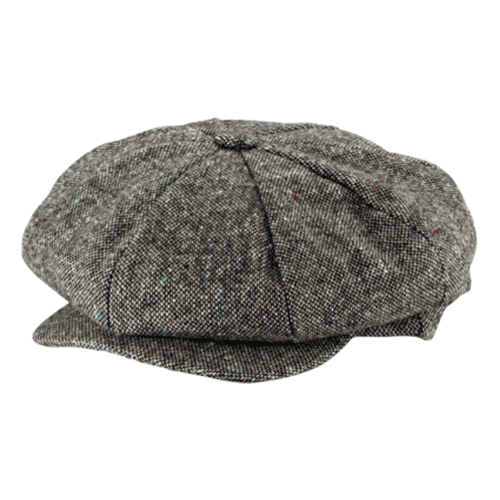
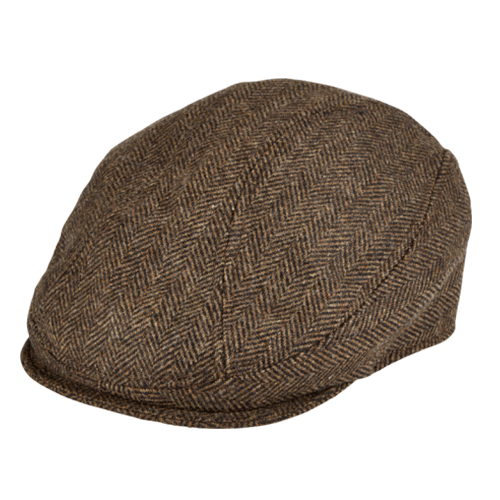
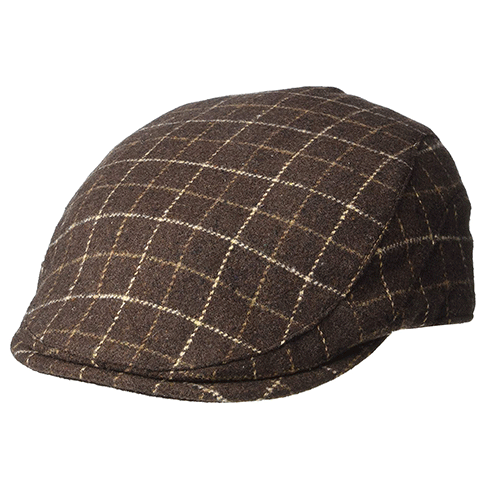 Materials: 100% Polyester, Satin lining Crown: 7.5" Bill: 2" Pre-Curved Sewn Imported.
 -
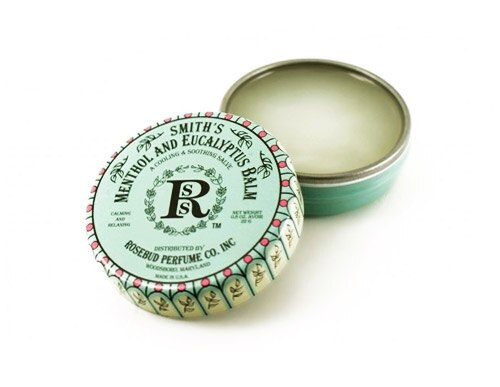
 Dr. G.F. Smith considered this cooling, soothing Menthol and Eucalyptus Balm to be his very best skin preparation. Rosebud Perfume Co. Smith's Menthol and Eucalyptus Balm is aromatic and exhilarating.
 -
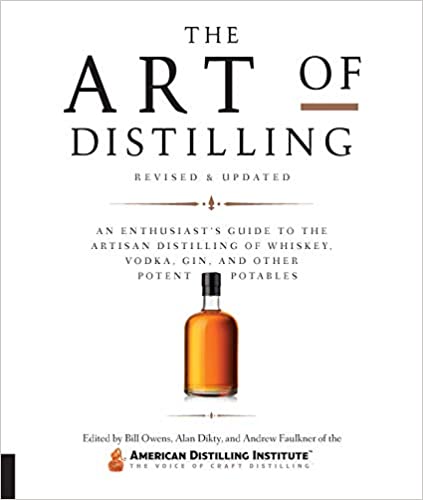
In this comprehensive guide to artisan distilling, American Distilling Institute founder Bill Owens will teach you how contemporary master distillers transform water and grain into the full range of exquisite, timeless spirits. The Art of Distilling, Revised and Updated is your exclusive backstage pass into the world of small-scale distilling of whiskies, gins, vodkas, brandies, and many other spirits. Like no other book on the subject, The Art of Distilling goes to lengths to explore the actual craft of distilling, in detail. Beginning with a brief history of distilling and introduction to the process itself, this book offers a comprehensive overview of the art of distilling today.
-
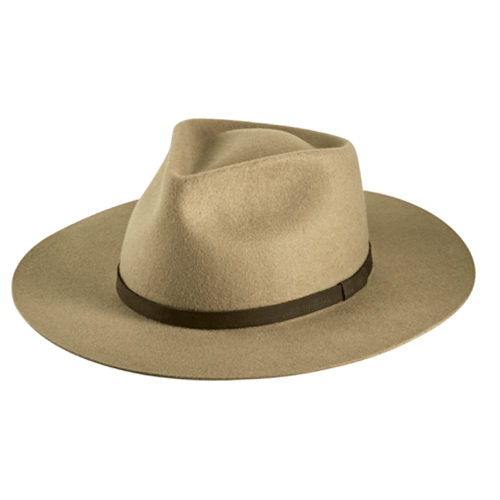
100% WOOL FELT 3 INCH BRIM HARD FELT LEATHER BAND FEELING JESSE JAMES COLORS: BLACK, BROWN, PUTTY MADE IN USA
-
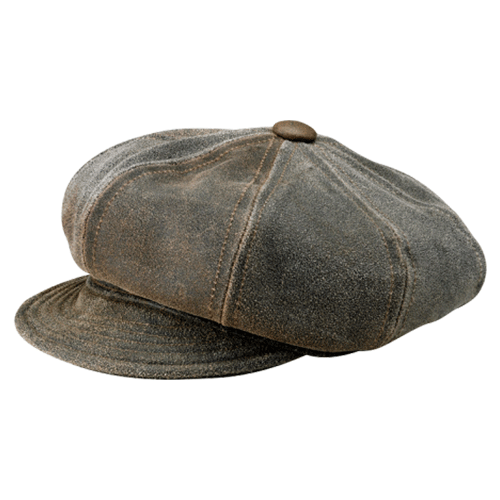
GENUINE LEATHER DISTRESSED FOR A WORN IN LOOK 8 PANELS SOFT STITCHED VISOR MADE IN USA
-
CABBIE, NEWSBOY, 8/4, GATSBY 100% WOOL FLANNEL 8/4 STYLE WITH SNAP DOWN VISOR TRADITIONAL GATSBY STYLE MADE IN USA
-
COTTON DRIVING CAP ELASTIC SWEAT SEWN DOWN VISOR A NEW YORK HAT CO. STAPLE FOR OVER 30 YEARS MADE IN USA
-
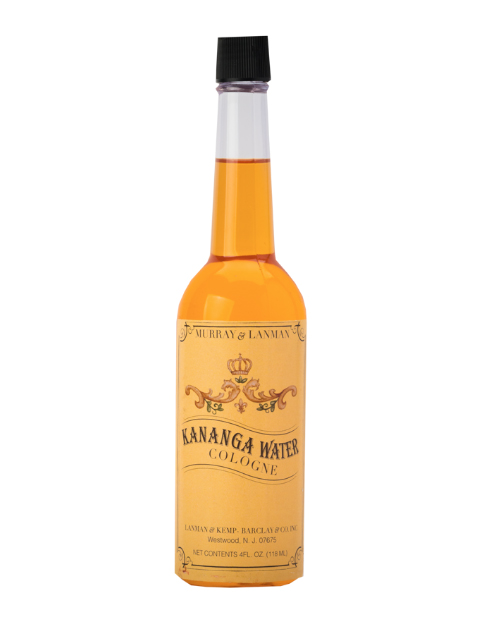
Kananga Water is a cologne based on a foundation of the essential oil of Ylang Ylang (also known as Cananga odorata) a tropical tree that originates in Indonesia, Malaysia, and the Philippines. The fragrance is rich and deep with notes of rubber and custard, and bright with hints of jasmine and neroli. The delicate and floral aroma of Kananga Water is appealing and mood lifting. • Unisex • Made in the USA • Not tested on animals
-
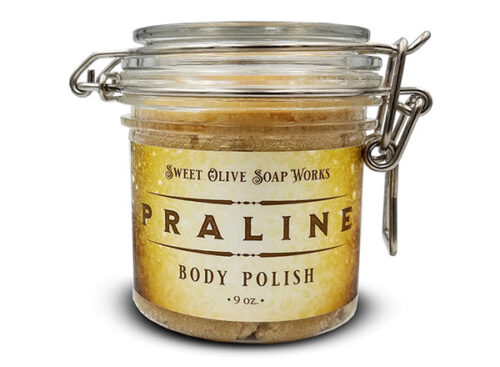
Praline Body Polish is a delectable home-spa therapy that brings out the radiance in your skin. Louisiana cane sugar exfoliates to reveal younger skin while thoroughly cleansing and stimulating circulation. The luxurious combination of vegetable oils, butters and jojoba oil leaves your body astonishingly soft & moisturized while providing minerals, vitamins and proteins essential for healthy skin. The fragrance is inspired by New Orleans most popular treat with a subtly sweet blend of warm brown sugar, vanilla and a hint of pecan.
-
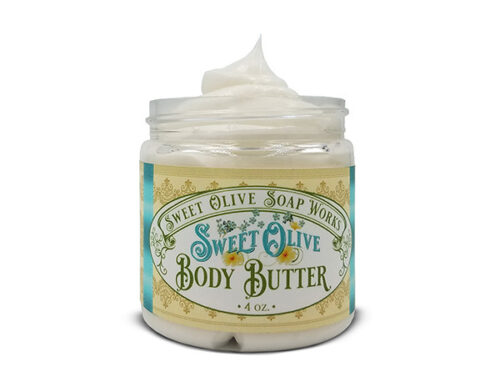
Take your senses to the elegant gardens of Louisiana where Sweet Olive Blossoms are prized for their delicate and breathtaking charm. Scented with an exquisite bouquet of Sweet Olive Blossoms, Orange Blossoms, Hyacinth, Gardenia, and a hint of Lavender. Thick and creamy, just a small amount provides your skin with moisture all day long with a rich blend of luxurious oils and butters that naturally promote softer, healthier skin.
-
Dr. Tumblety's signature bourbon scented candle hand-poured into an old fashioned glass.
-
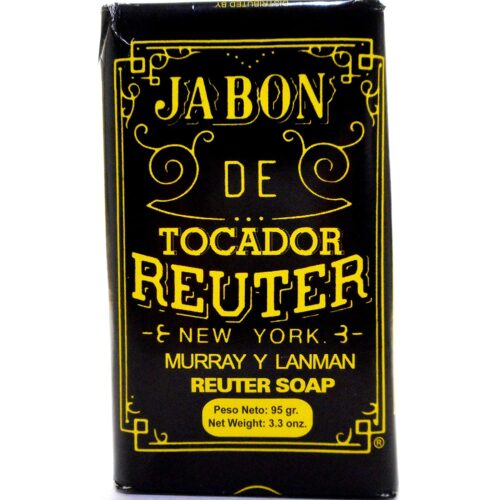
Reuter Soap is our old time favorite, with the original label. The exquisite fragrance of Reuter Soap is a wonderful effect to clean, soften and protect the beauty of the skin and hands, have given it a universal reputation, making at the same time that it is sold in the whole world. Unisex Made in Peru Not tested on animals
-
Muckraking journalist Walter Liggett dubbed Pittsburgh the "Metropolis of Corruption" in 1930 when he reported the city had more vice per square foot than New York, Detroit, Cleveland or Boston. Decades earlier, the Magee-Flinn political machine ruled public officials, and crooked police helped racketeers protect brothels and gambling dens. Mayor (later Governor) David Lawrence was indicted several times for graft but acquitted each time. Even Pittsburgh Steelers founder Art Rooney Sr. colluded with gangsters, according to FBI reports. Join author Richard Gazarik as he reveals the wicked history of the Steel City.
-
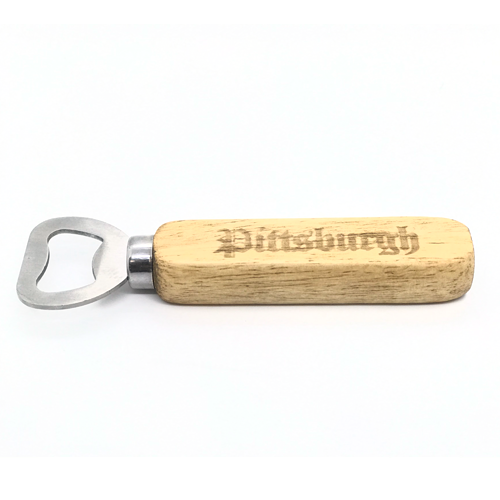
Laser engraved beer bottle opener. Walnut stained & polyurethane sealed. Handmade in Pittsburgh, PA.
-
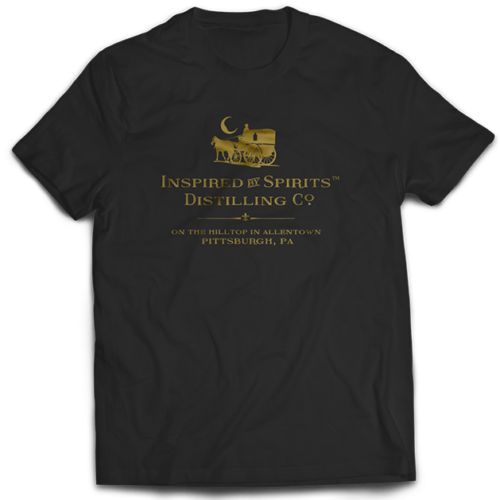
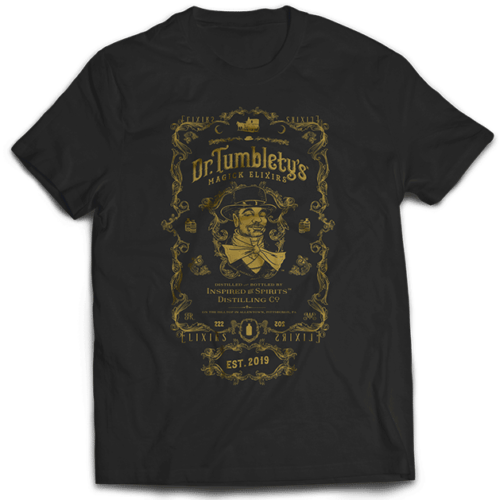
Dr. Tumblety's apothecary label original tee. Solid black soft cotton with Gold lustre print. Unisex Sizing.